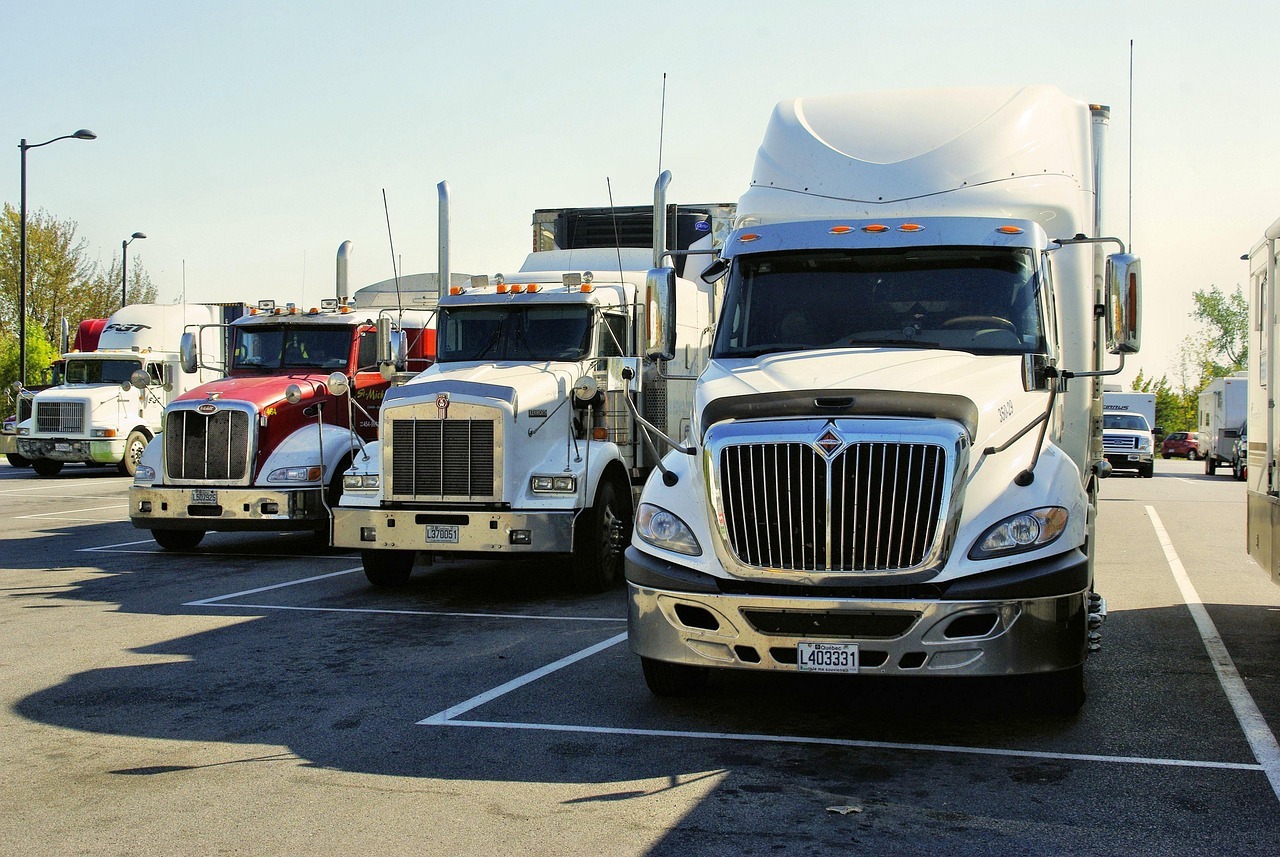
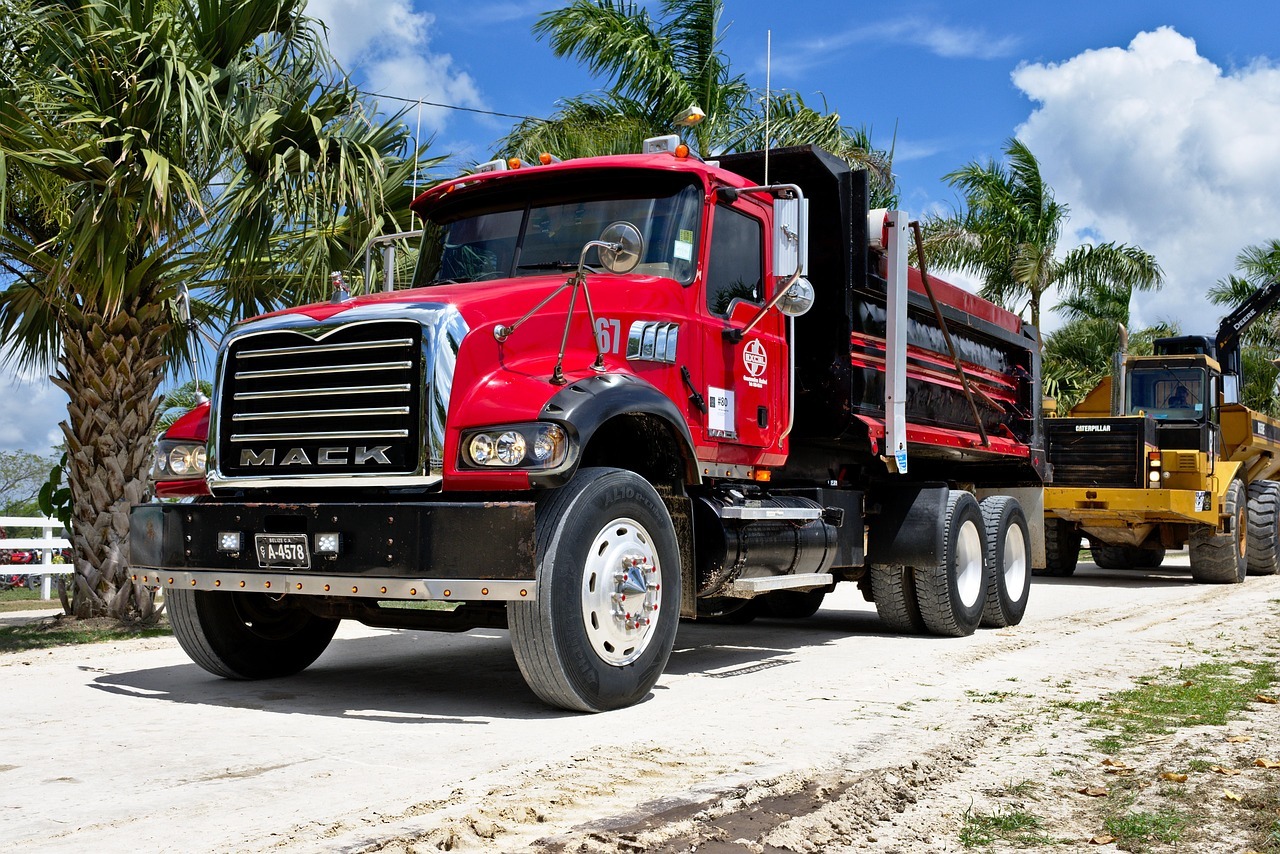
The logistics industry remains a vital part of the UK economy, with Heavy Goods Vehicle (HGV) drivers serving as the backbone of supply chains nationwide. In Hampshire, the demand for qualified drivers continues to grow, driven by the region’s strong transport links and busy commercial hubs like Southampton and Portsmouth. For anyone considering a career change or looking to upgrade their driving skills, obtaining an HGV license offers a practical route to stable employment.
Training to become an HGV driver requires commitment and a clear understanding of the licensing process. It involves more than just learning to handle a large vehicle; it requires mastering safety regulations, understanding vehicle mechanics, and developing road awareness. This guide outlines what aspiring drivers in Hampshire need to know to get started.
Why Choose HGV Training in Hampshire?
Hampshire is an excellent location for driver training due to its diverse road network. From the busy M3 and M27 motorways to the rural routes of the New Forest and the South Downs, the county provides a comprehensive learning environment. Training locally means you gain experience on the very roads you are likely to work on, familiarising yourself with local traffic patterns and complex junctions.
If you want to start or upgrade your HGV driving career, go to Google and search for “hgv training Hampshire” to find trusted local training providers.
Choosing a local provider also offers logistical advantages. It reduces travel time during your intensive training week, allowing you to focus entirely on learning. Many local instructors have established relationships with Hampshire-based logistics companies, which can sometimes lead to introductions or insights into available job opportunities immediately after passing.
Types of HGV Licenses
Understanding the different license categories is the first step. The right license depends on the type of vehicle you intend to drive.
Category C1 allows you to drive vehicles between 3,500kg and 7,500kg. This is often the starting point for paramedics or drivers of small delivery trucks.
Category C is the most common starting point for professional drivers. It allows you to drive rigid vehicles over 3,500kg. This is often referred to as ‘Class 2’ and covers the majority of standard lorries you see on the road.
Category C+E is the most advanced license, allowing you to drive a Category C vehicle with a trailer over 750kg. This is known as ‘Class 1’ and is required for driving articulated lorries, which typically offer higher earning potential.
What the Training Involves
HGV training combines theoretical knowledge with practical skills. Before getting behind the wheel, you must pass a medical exam to prove you are fit to drive. Following this, you will need to pass the theory test, which covers vehicle safety, hazard perception, and the rules of the road.
Practical training usually takes place over an intensive period, often lasting five days. During this time, you will work one-on-one with an instructor. You will learn vehicle safety checks, reversing maneuvers, and how to couple and uncouple trailers if you are taking the C+E course. A significant portion of the training focuses on on-road driving, teaching you how to manage the size and weight of the vehicle in real traffic conditions.
Start Your HGV Journey Today
Becoming an HGV driver provides a stable and defined career path, complete with opportunities for professional growth and a reliable income. Given that Hampshire’s logistics sector is thriving, there’s a significant need for skilled drivers like you to ensure goods continue to move efficiently across the region. By selecting the appropriate training provider and fully committing to the learning process, you can earn a valuable qualification that will support your career for many years. If you are ready to take control of your professional future and embark on a new journey, the next step is to research local training providers in your area. This simple action will be your first move toward a rewarding career on the open road.