
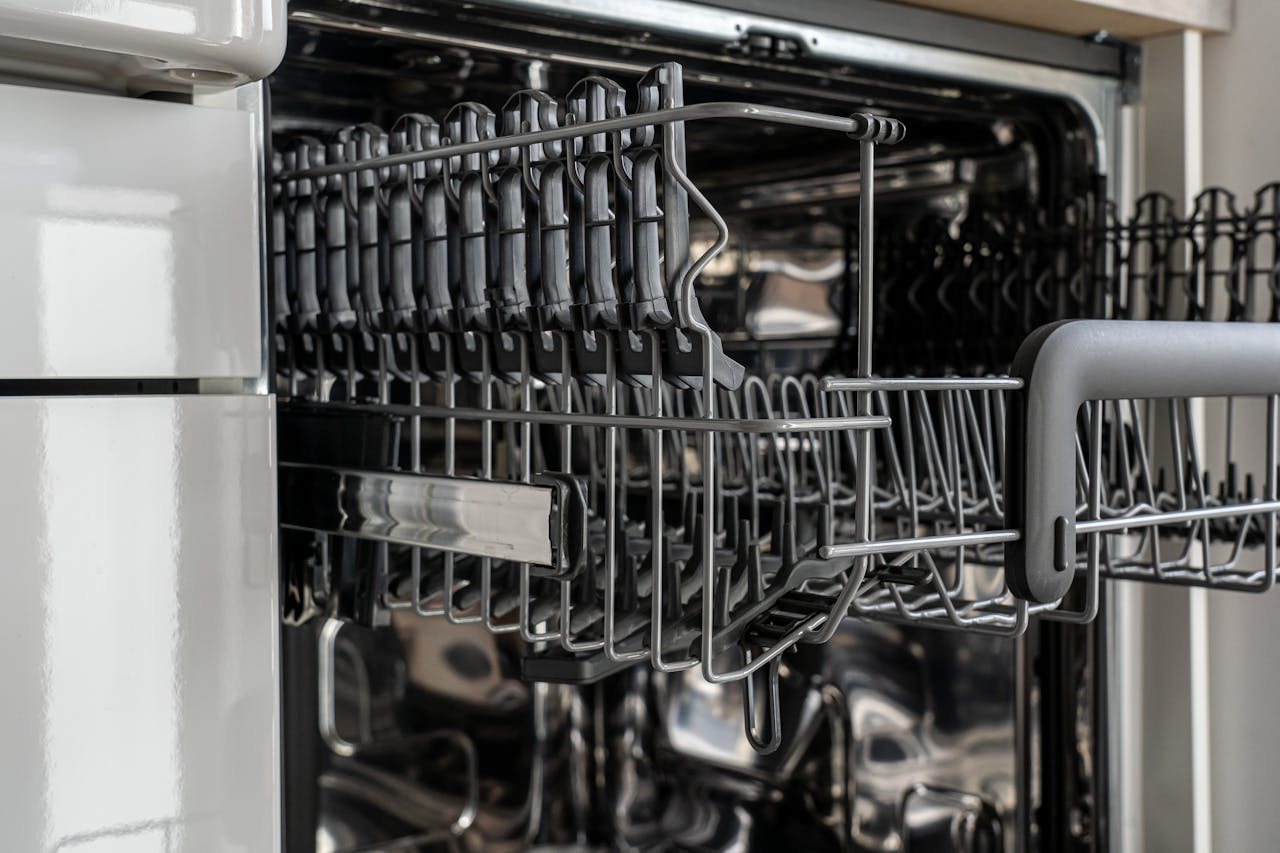
Washing dishes by hand is rarely anyone’s favourite chore. It consumes valuable time you could spend relaxing, and often uses far more water than modern appliances. The electric dishwasher has transformed from a luxury item into a standard necessity for most households, offering a blend of convenience and hygiene that manual scrubbing simply cannot match. With energy prices fluctuating and environmental concerns growing, choosing the right model is more important than ever. This guide examines the leading options available and details exactly what you should look for to make the right investment for your home.
Crucial Features That Define Performance
Energy efficiency is a top priority for buyers today. Modern appliances are rated from A to G, with A-rated machines costing more upfront but using less electricity and water, saving money over time. Look for models with eco-settings that lower wash temperature and extend cycle time to reduce energy use.
Size and capacity are also important. A standard dishwasher holds 12-14 place settings, ideal for families or frequent cooks, while slimline models with 9-10 place settings suit smaller spaces. Measure your space carefully, as even small differences can affect fit.
Noise level matters, especially in open-plan spaces. Dishwashers with noise ratings of 44dB or lower are as quiet as a library. Also, consider wash programmes—eco and auto cycles are great for daily use, while intensive and quick cycles provide versatility for tougher or lighter loads.
Leading Electric Dishwasher Models
The Bosch Series 6 stands out for its reliability and Zeolith drying technology, which converts humidity into warm air to effectively dry plastics. It runs quietly and offers excellent internal flexibility, with adjustable baskets for large trays or tall glasses.
For those seeking premium features, the Miele G 7000 series impresses with its AutoDos and PowerDisk system, automatically dispensing detergent at the right time. Though pricier, Miele appliances are tested for 20 years, ensuring durability and quality.
For budget-conscious buyers, the Beko Pro series delivers great results at a lower cost. With AquaIntense technology for heavily soiled pots and pans, it may lack the advanced drying or quiet operation of Bosch and Miele but offers effective cleaning and good energy efficiency.
Understanding the Pros and Cons
Electric dishwashers offer significant advantages beyond simple convenience. They consistently wash at higher temperatures than human hands can tolerate, which kills bacteria and sanitizes your crockery more effectively. Furthermore, a fully loaded dishwasher is surprisingly efficient, often using as little as 9 to 10 litres of water per cycle, compared to the 40 or more litres often used when washing the same amount by hand. This efficiency reduces your environmental footprint over time.
However, there are downsides to consider. The initial purchase price and installation costs can be substantial, particularly for integrated models. Regular maintenance is also required to keep the machine functioning well; filters must be cleaned, and salt and rinse aid levels need monitoring. Additionally, while efficient, the cycles on modern eco-friendly machines can take upwards of three hours to complete, which requires you to plan your day differently than if you were quickly washing up in the sink.
Making the Right Choice for Your Home
Selecting the right appliance requires balancing your budget against your specific household needs. Whether you prioritise silence for your open-plan kitchen or need the heavy-duty cleaning power of a specific cycle, there is a model built for your requirements. Taking the time to compare energy labels and internal basket configurations will pay off in the long run. If you are looking for a machine that balances price and performance perfectly, we recommend taking a closer look at the Bosch Series 6 as a starting point for your research.
