Finding extra space in your home can be a challenge. As hybrid working becomes more common, the kitchen table is no longer a practical long-term office. This has led to a rise in demand for timber garden room. These structures offer a detached extension to your home, providing a level of privacy and separation that is difficult to find indoors. They are a practical solution for growing families or professionals needing a quiet workspace. Beyond their functionality, they also add architectural interest to your garden.
Benefits of Timber Garden Rooms
Timber provides an aesthetic warmth that blends seamlessly into your landscape, complementing your garden rather than clashing with it. Over time, materials like cedar weather to a distinguished silver-grey, settling naturally into the environment. Wood is also a sustainable choice; using timber results in a lower carbon footprint than steel or concrete.
These rooms are highly versatile. While often used as offices, they easily adapt into art studios or home gyms. Additionally, timber acts as a natural insulator, keeping the space cool in summer and warm in winter for comfortable, year-round use.
Design Considerations
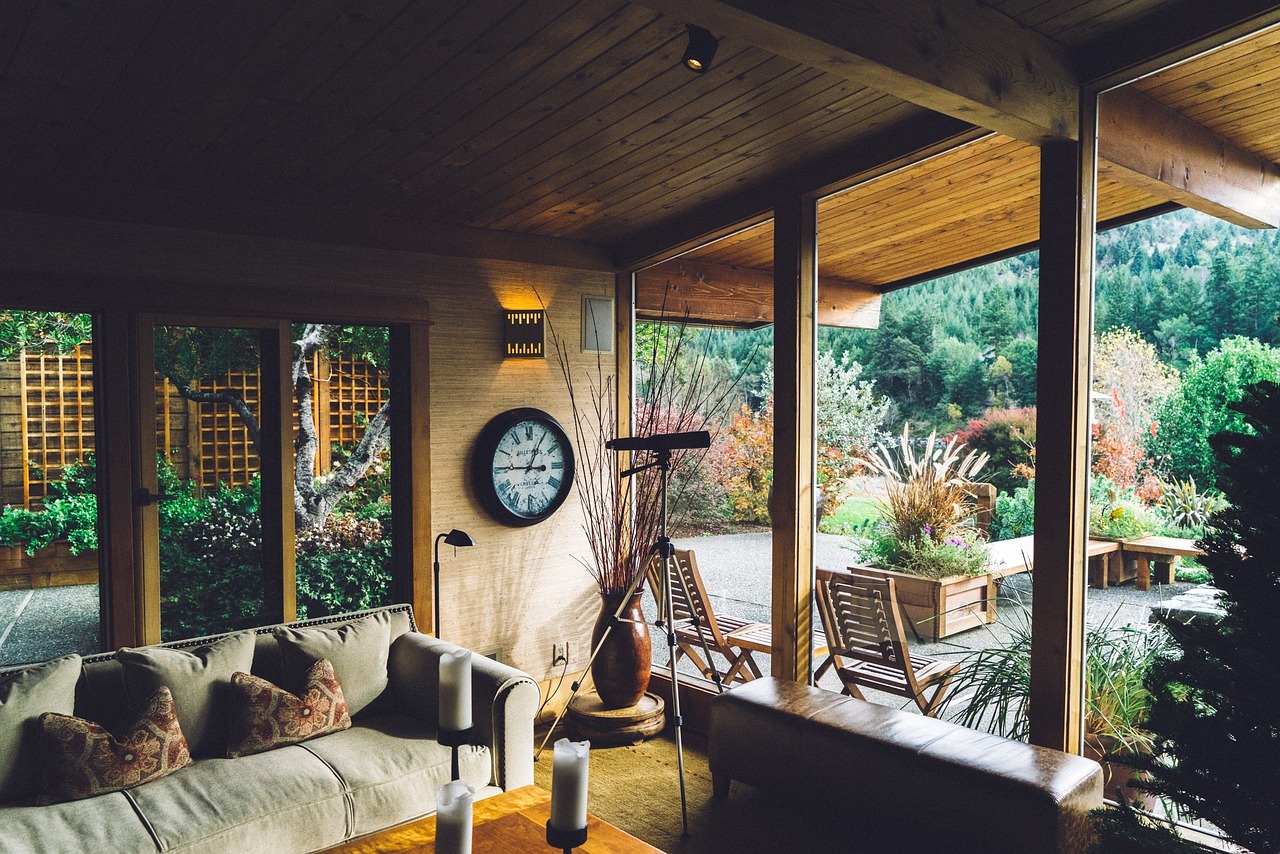
When planning your garden room, consider its relationship with your garden. It should be large enough to be functional but not so big that it overwhelms your outdoor space. Match the style to your main house—sleek, flat-roofed designs with bi-fold doors suit modern homes, while pitched roofs with tiles complement traditional cottages.
Positioning is key. Think about the view from both the house and the room, such as facing the sunset for evening relaxation. Most garden rooms are classed as outbuildings and can often be built under permitted development rights if they are single-storey and under 2.5 metres in height within two metres of a boundary. However, restrictions may apply in conservation areas or if the room is for sleeping. Always check regulations with your local council first.
Construction Process
Building with timber enables a faster construction phase. Unlike brick extensions that take months, a garden room can often be watertight in days, using a timber frame system. Modern garden rooms also feature insulation standards comparable to new-build houses, with high-performance insulation in the walls, floor, and ceiling for excellent thermal efficiency.
Foundations anchor the project. While concrete slabs were once standard, many installers now use ground screws, which are less invasive, require minimal digging, and improve airflow to prevent damp. Hiring professionals ensures proper structural work, weatherproofing, and electrical installations that meet building codes.
Cost and Maintenance
Budgeting for a garden room involves more than just the base price. A small, high-quality room typically costs £12,000 to £15,000, while larger, fully equipped spaces with heating and internet range from £20,000 to £40,000. Prices depend on cladding, glazing quality, and finishes like plastering and flooring.
To protect your investment, proper wood care is key. Softwood claddings need a protective coating every 2–3 years to prevent rot, while hardwoods like cedar and larch are naturally durable but benefit from treatment to maintain their colour. Keeping gutters clear and avoiding vegetation against the walls will also extend the timber’s life.
Enhance Your Lifestyle with Extra Space
A timber garden room provides a flexible, attractive way to gain more living area. It offers a distinct separation from household distractions, which is invaluable for work or leisure. By carefully considering the design and investing in quality construction, you create a lasting asset. This addition improves your lifestyle immediately and can increase the appeal of your property to future buyers.